94304721_2965087860245292_5164974292592492544_n

Equine Influenza

What is equine influenza?

  • Equine influenza is a virus which is highly contagious between horses

How does it spread?

  • It travels through the air when windy, on clothing, equipment, feed buckets, horse transportation, stables…. The list goes on!
  • Coughing produces droplets which contain the virus, spreading to other horses in their vicinity
  • In very windy conditions, the virus can be spread up to 2km from the infected horse!
  • Infected horses show signs in 1-5 days after becoming infected

What signs should I look out for?

  • An increased temperature above 38.5 degrees C for 1-5 days which can occur before any other signs!
  • Coughing- harsh and dry
  • Nasal discharge- varying from clear to thick and yellow/green
  • Lethargy and inappetence
  • Difficulty eating and ‘gagging’ when eating
  • Swollen and sore glands around the head and jaw
  • Secondary infections are also common such as pneumonia or swelling of the legs
  • Those animals with pre-existing conditions affecting the respiratory tract (e.g. Asthma) are potentially more likely to be severely affected

How do we diagnose and treat it?

  • Generally speaking a nasal swab and possibly a blood test will be taken and submitted to a lab to confirm the infection
  • Supportive care is recommended, this may be through fluids, non-steroidal anti-inflammatory medications such as bute or environmental changes such as reducing any dust to allow the horse to recover
  • Recovery time is variable between horses and depends on underlying conditions or any complications which may occur.

How do I prevent my horse from getting equine influenza?

  1. Vaccination!
    1. A very effective vaccination is available and is considered part of the ‘core’ vaccinations for horses, donkeys and other equids.
    1. The course of vaccines is required for optimal protection
    1. Two vaccines 21-60 days apart THEN another booster 120-160 days later THEN boosters no more than a year apart OR six monthly depending on requirements at the time.
  2. Biosecurity
    1. Be sensible when away from home- limit contact with other horses, water troughs, members of the public etc to avoid spread of any disease
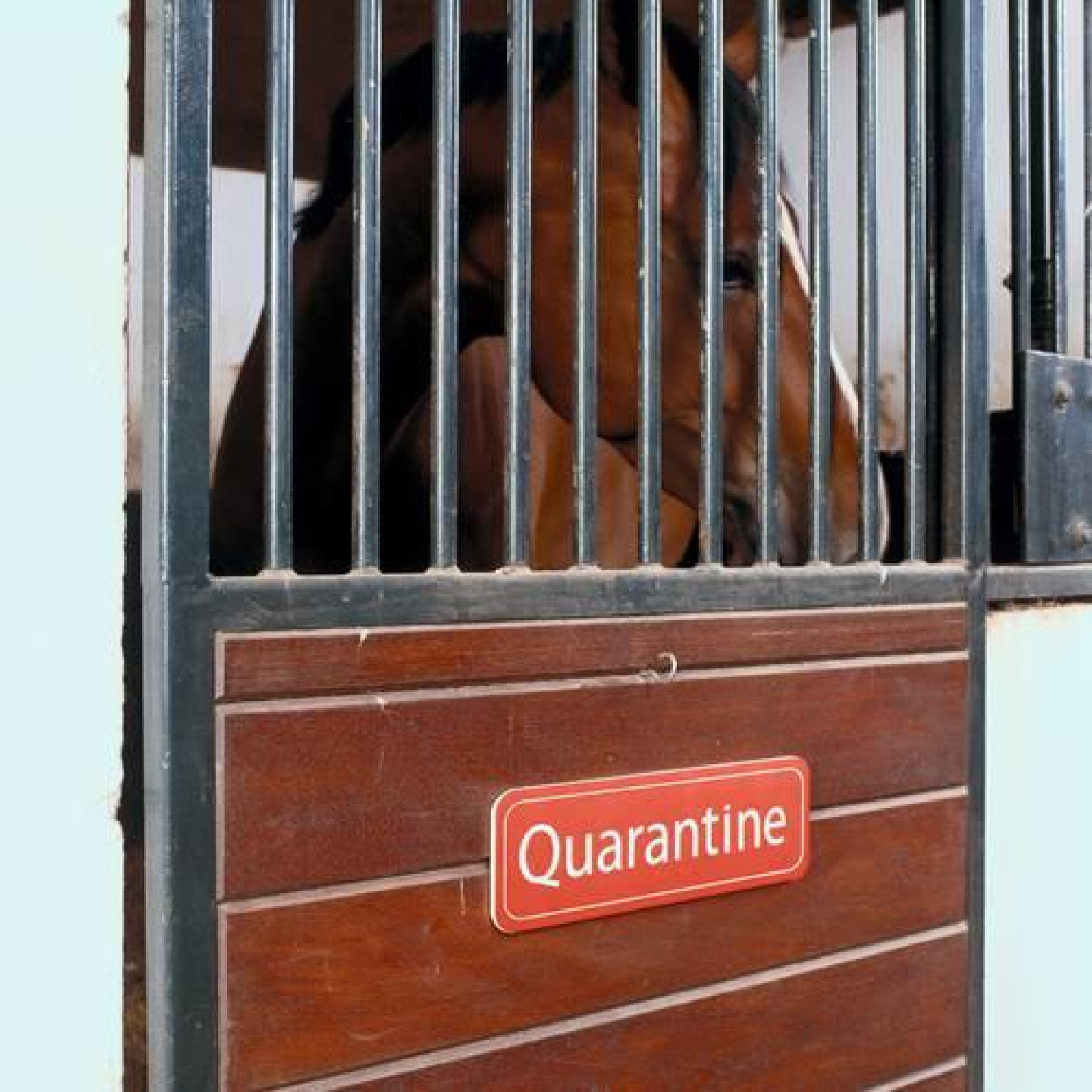
    1. Quarantine new arrivals- as flu is airborne this may not completely prevent spread but can certainly reduce the chance if any new horses are kept physically separated with separate mucking out, hay store etc. on arrival for at least 14 days (if not 21!).

If you have any questions or queries regarding equine influenza please don’t hesitate to contact us on 07747 771182 or info@ridingsequinevets.co.uk

Equine flu vaccines can be booked for our regular routine zone days, yard visits, standard visits or you can bring your horse in to our clinic for their vaccines. Alex x

Credit/source for information and images https://www.bhs.org.uk/horse-care-and-welfare/health-care-management/horse-health/equine-diseases/equine-influenza/

KMP-VetsShoot-153_1

Summer Respiratory Cases Soar!

2019 has seen the biggest outbreak of equine influenza for a long time and cases continue to rise, more so during the summer due to the mixing of horses at competitions and organised events. Cases of strangles are also on the rise as the latest figures from the Animal Health Trust (AHT) show.
quarantine

Biosecurity- Keeping Our Horses Safe

Unfortunately the current flu outbreak accelerated during June affecting horses up and down the country with cases identified in West Yorkshire. Transmission of equine flu occurs through either respiratory or indirect means such as clothing or equipment which means it can spread rapidly through a yard passing from horse to horse.